
The Royal Treatment
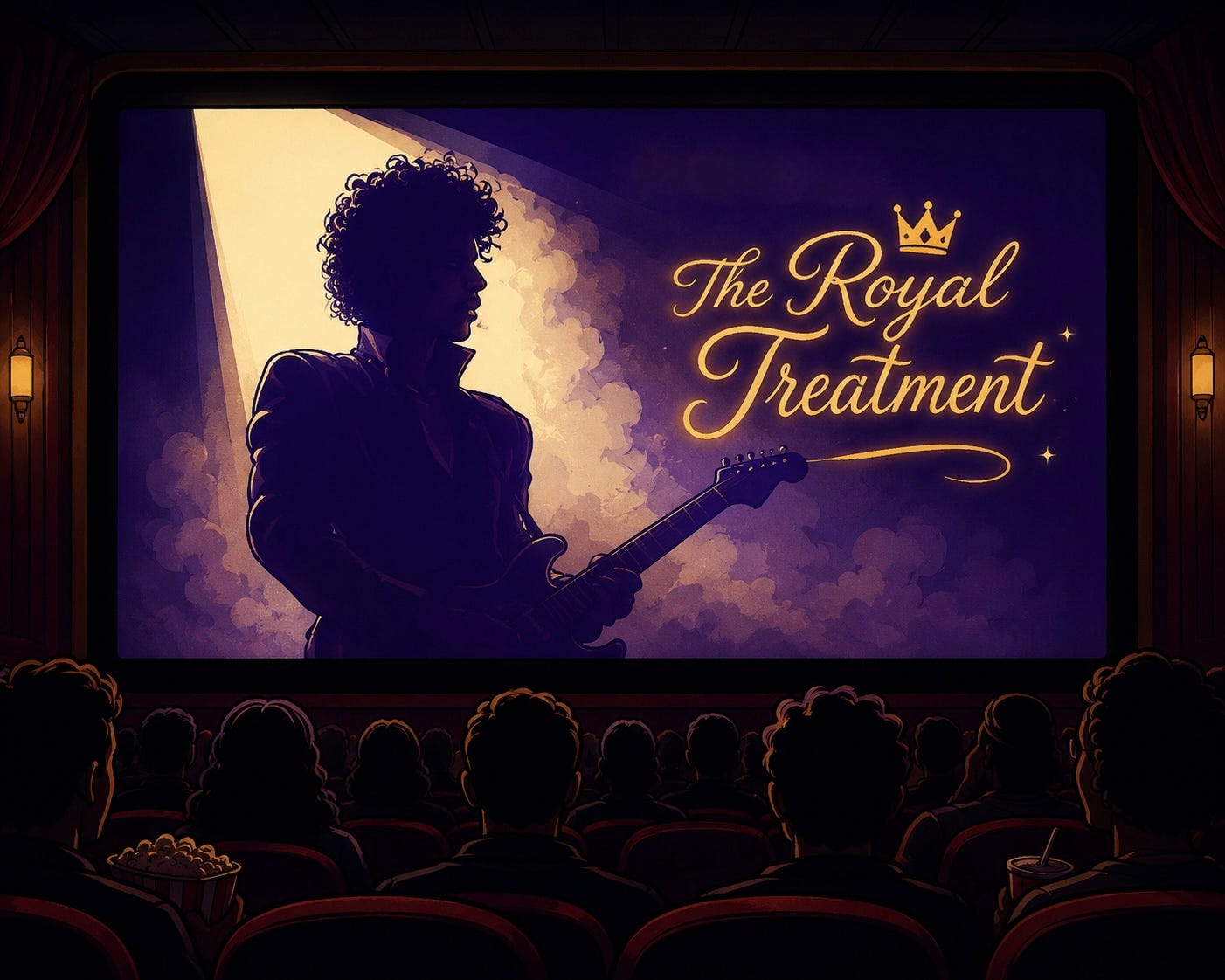
More than just a music icon, Prince was a revolutionary artist whose genius, mystery, and creativity reshaped music and pop culture—making his life story one worthy of the cinematic spotlight.

The success of Michael Jackson’s biopic Michael has sparked renewed intrigue around the late icon. Despite reports that critics were divided on the film during its opening week, fans have embraced it wholeheartedly. The movie is reportedly on pace to surpass $1 billion globally, while Jackson’s back catalog has experienced a massive resurgence in streaming, generating a staggering 137.5 million streams. His landmark album Thriller currently sits at No. 7 on the Billboard 200 chart—an extraordinary feat for an album released 43 years ago.
With all the hoopla, it’s hard not to wonder what a biopic centered on one of Michael’s greatest contemporaries—and rivals—Prince would look like. Unlike Jackson, the casual fan may not know much about the 5’2” rock star from Minneapolis whose birth name was Prince Rogers Nelson.
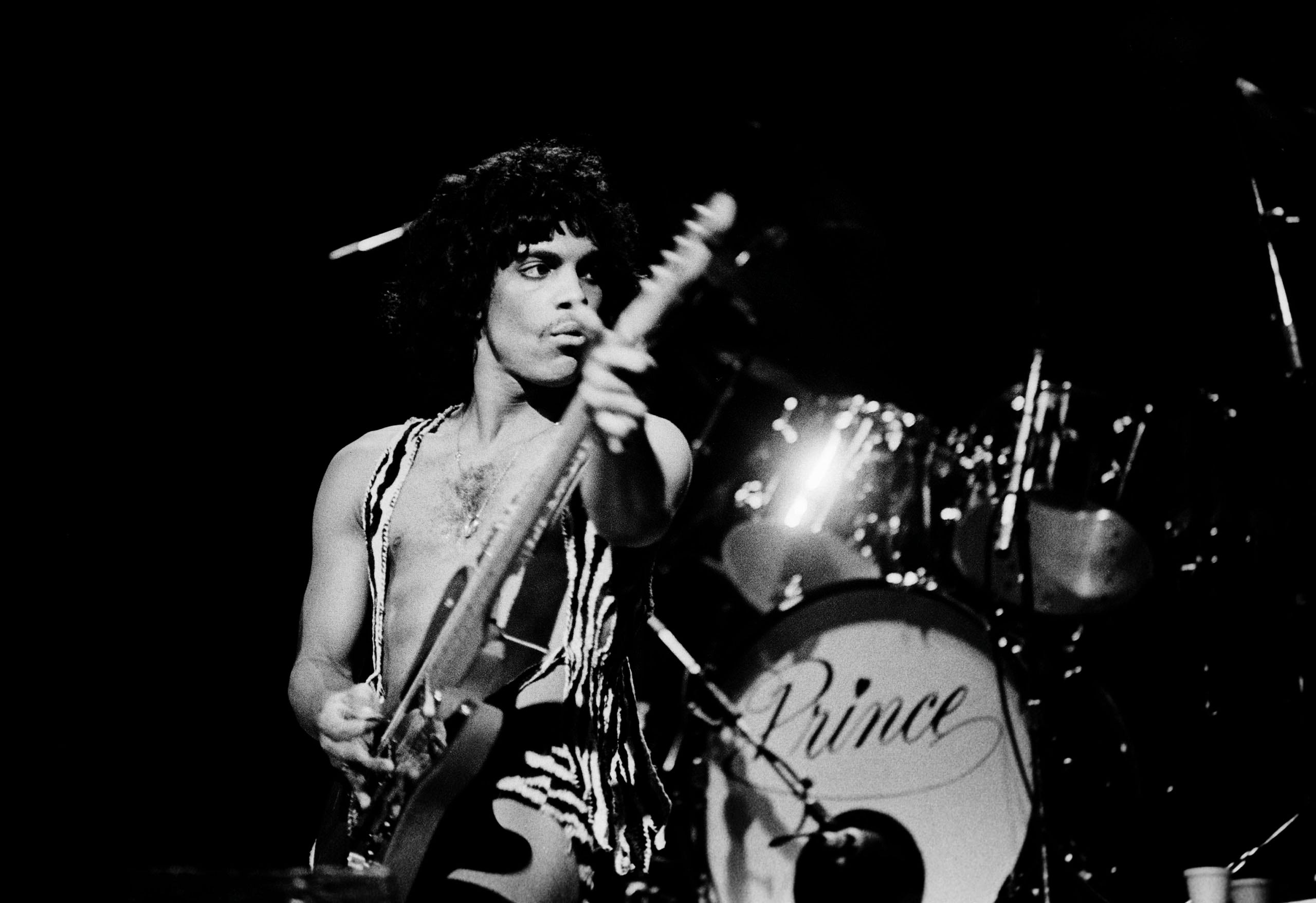
There have already been discussions about a Prince musical, with acclaimed director Ryan Coogler reportedly attached. While a musical would certainly be interesting, Prince deserves to have his life story fully explored on the big screen. The 1980s were a gauntlet of absurdly talented artists, dominated by figures like Jackson, Madonna, Bruce Springsteen, and Prince himself.
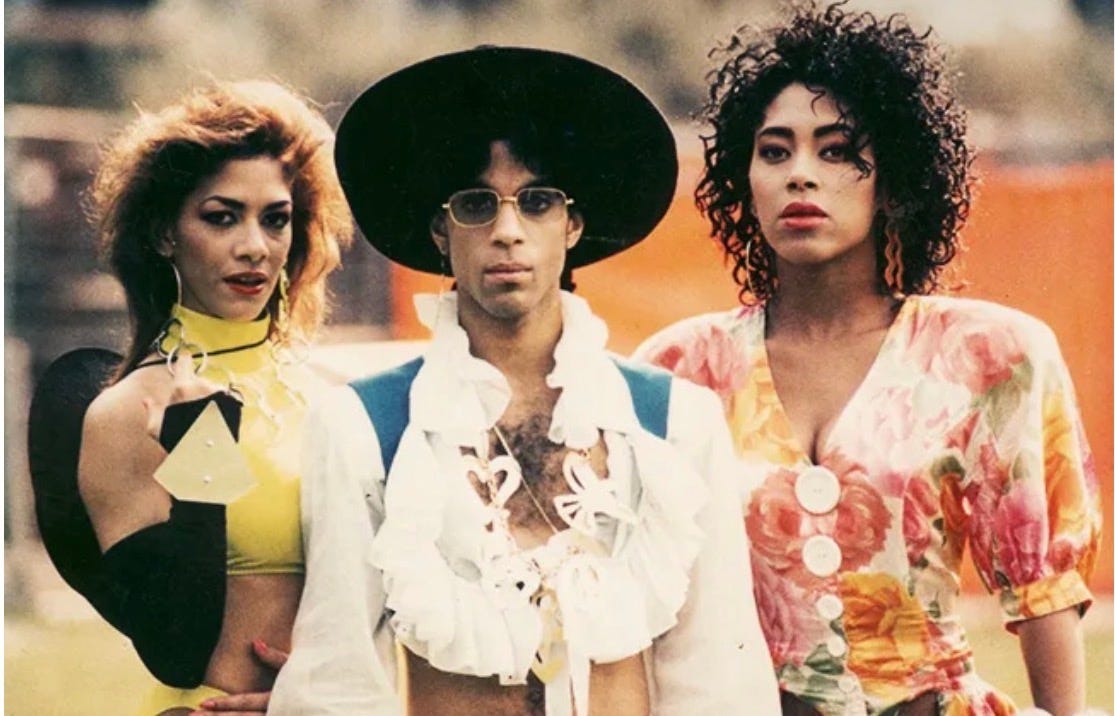
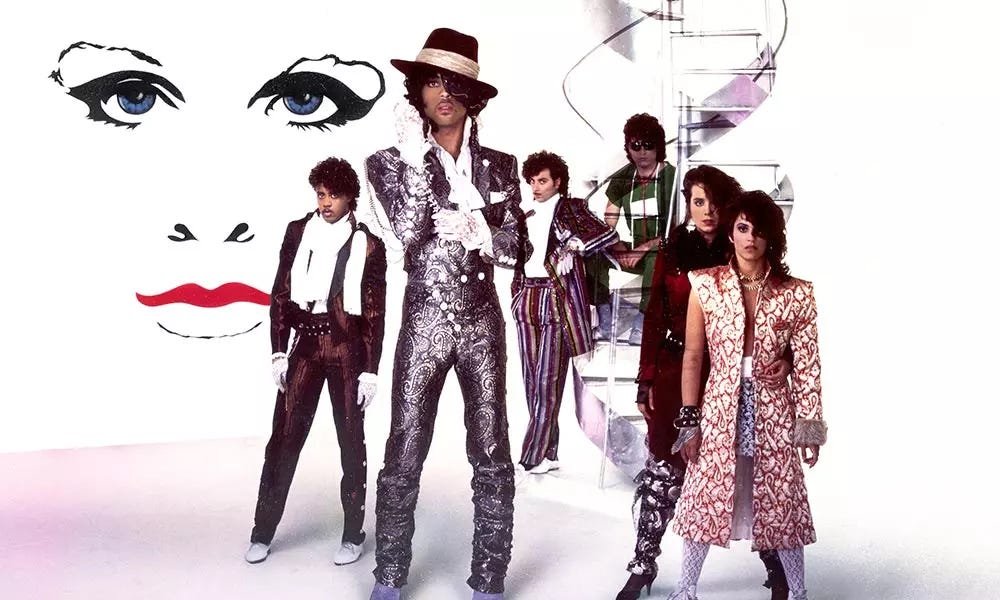
For those who aren’t die-hard Prince fans, the public perception of him often stops at the surface: the androgynous fashion, the constant use of purple imagery, the provocative performances, his mastery of multiple instruments, and the fact that he starred in a blockbuster film that earned him an Oscar for Best Original Song.
Speaking of blockbuster films, Prince’s semi-autobiographical movie Purple Rain became one of the defining cultural moments of 1984. Its premiere attracted celebrities ranging from Eddie Murphy , Stevie Nicks , Little Richard to Pee-wee Herman. The accompanying soundtrack went on to become one of the greatest albums ever made. After Purple Rain, Prince evolved into a genuine Hollywood force. Audiences became fascinated with him, constantly questioning how much of the film reflected reality versus fiction.
Prince always carried an air of mystery. From songs that many initially viewed as bizarre—such as “Sister,” which explored deeply uncomfortable subject matter—to endless speculation surrounding his sexuality, he remained impossible to define. Despite the rumors, he was romantically linked to numerous women over the years, including Vanity, Apollonia, Kim Basinger, and Carmen Electra—the latter famously receiving her stage name from Prince himself.
Musically, Prince occupied an entirely different creative space from most of his peers. He was essentially a one-man band. It became routine for fans to flip over a Prince album and see the credits read: “Produced, Arranged, Composed, and Performed by Prince.” Collaboration rarely interested him. He was originally supposed to appear on “Bad” after legendary producer Quincy Jones arranged a meeting between the two icons. According to reports, Prince even created his own version of “Bad” to demonstrate what he felt Jackson and Jones had done wrong musically. Ultimately, he declined to participate—partly because he reportedly refused to sing the lyric, “Your butt is mine,” to Michael Jackson.
Prince also became a powerful advocate for artists’ rights, particularly when it came to ownership and royalties. In protest against his record label, he famously wrote the word “slave” across his face and later changed his name to an unpronounceable symbol as an act of rebellion against the music industry.
There’s so much about Prince that the general public would likely find shocking, fascinating, or inspiring if his story were ever given the proper biopic treatment.
A film capturing Prince’s unmatched creative output would be incredible to witness. Throughout the 1980s, Prince released an album nearly every single year—with the lone exception of 1983. During that stretch, he delivered classics such as Dirty Mind, 1999, Parade, and the masterful double album Sign O’ the Times. He even closed out the decade by creating the soundtrack for Batman, directed by Tim Burton and starring Jack Nicholson and Michael Keaton. Originally hired to contribute only a few songs, Prince became so inspired by the film that he ended up crafting the entire soundtrack. He later revealed the project was initially envisioned as another collaboration between himself and Michael Jackson—Prince handling the funk music for the Joker and villains, while Jackson would create ballads for the heroes. The collaboration ultimately fell apart due to Jackson’s touring schedule.
Another fascinating chapter in Prince’s story involves Jimmy Jam and Terry Lewis of The Time. Prince reportedly fired the duo because he didn’t want them giving other artists “his sound.” Ironically, when Jam and Lewis later produced Control for Janet Jackson, the album became a cultural phenomenon. Legend has it Prince responded by throwing the record out of his car window onto the producers’ doorstep to express his displeasure over their success without him.
Prince was also an extraordinary songwriter whose creativity overflowed beyond his own catalog. To avoid oversaturating the market with his name, he often wrote under aliases such as Jamie Starr, Alexander Nevermind, and Joey Coco.
Many people are also unaware that Prince experienced fatherhood—and tragedy. He and his first wife, Mayte Garcia, welcomed a son named Amiir, but the child tragically passed away six days later due to the rare genetic disorder Pfeiffer syndrome.
Little is widely known about Prince’s upbringing, including the fact that both of his parents were musicians and singers. His name itself was inspired by his father’s jazz ensemble, the Prince Rogers Trio. Despite his iconic identity, Prince reportedly disliked his birth name as a child, preferring close friends and family to call him “Skipper.”
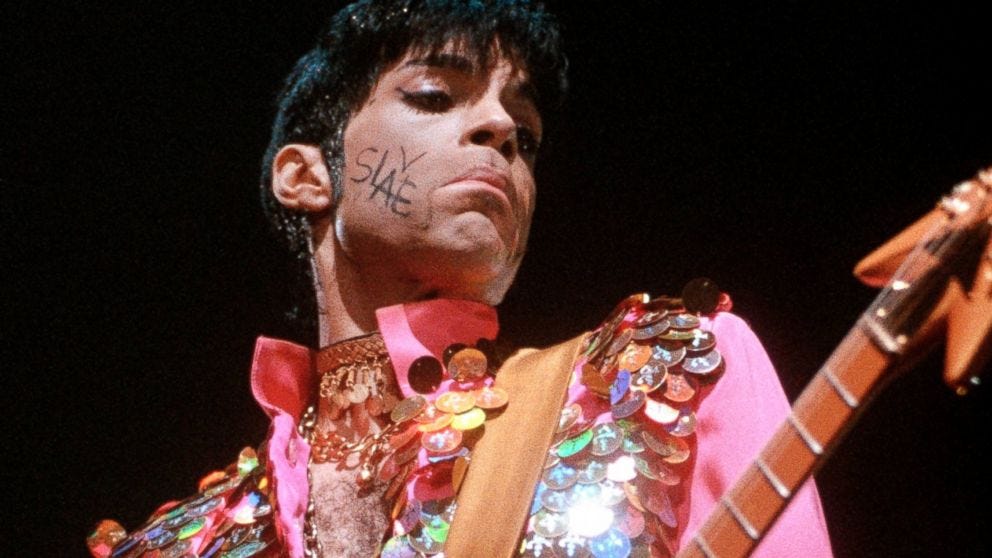
Beyond music, Prince was also a talented athlete, particularly in basketball—a detail famously highlighted in the Charlie Murphy skit on Chappelle’s Show.
As an artist, he was often misunderstood. One of the more striking stories from his early career is that he was once booed off stage while opening for The Rolling Stones. Moments like these reveal the complexity of his journey and deserve to be captured on the big screen.
There’s so much about Prince that the general public would likely find shocking, fascinating, or inspiring if his story were ever given the proper biopic treatment. His influence continues to echo through generations of artists, from André 3000 to Janelle Monáe. The bigger question is: who could possibly direct such a film? And more importantly, who could embody someone as singular as Prince?
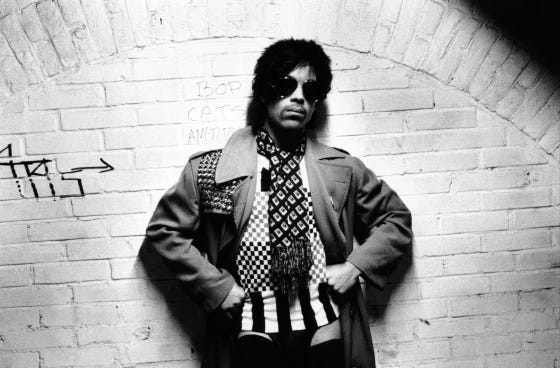
Much like Jaafar Jackson portraying Michael Jackson, it would likely require an unknown actor capable of disappearing completely into the role. Whoever plays Prince would need to capture not only his mysterious aura, but also his unmatched genius, relentless work ethic, and the reality that he remains one of the greatest musicians to ever walk this earth.